


Why You Won't Make Progress Without Rest
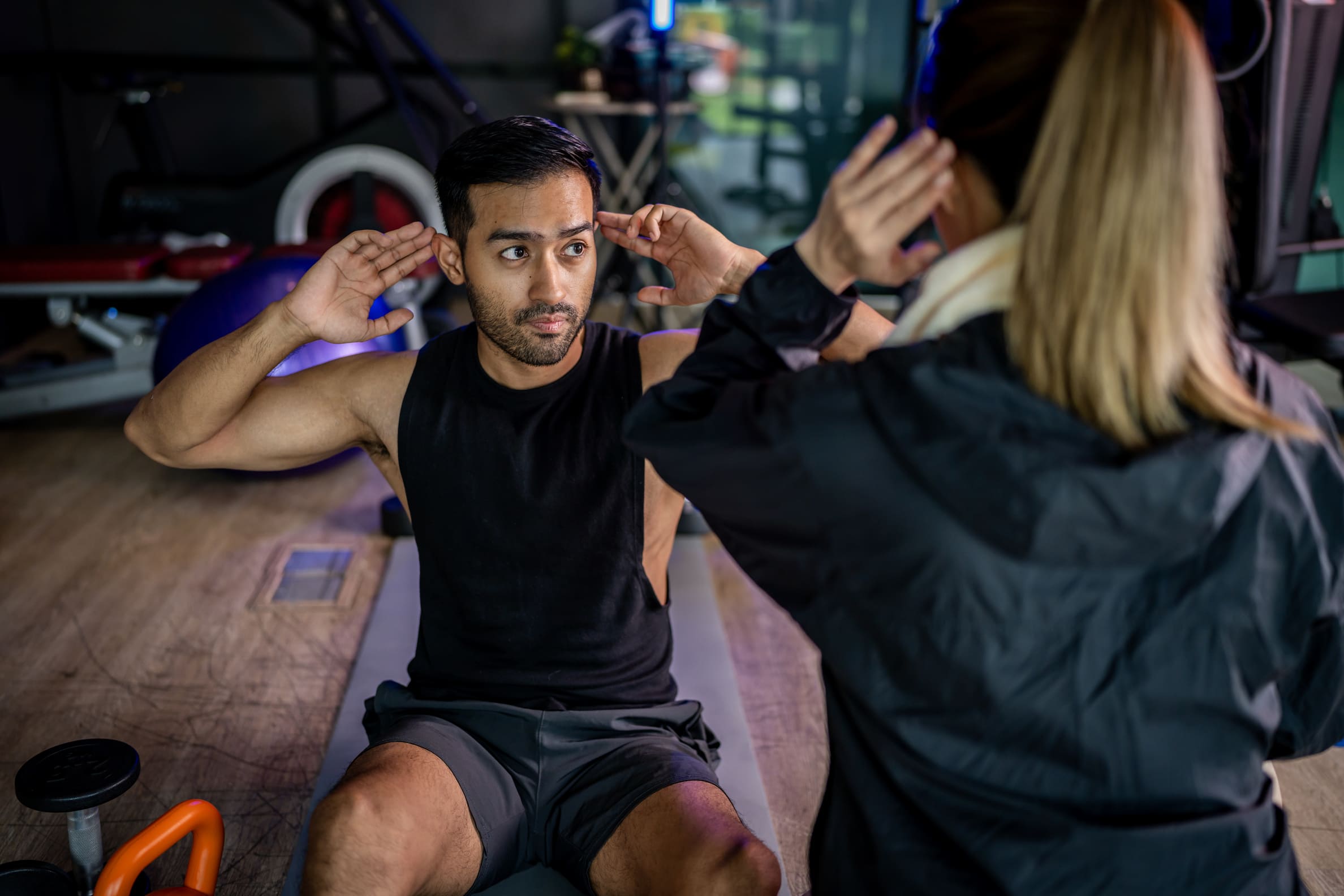
Everyone knows the saying: “No pain, no gain.” But when it comes to training, that’s only half true. If you give it your all all the time but never properly recover, you’re holding yourself back. Recovery isn’t a luxury—it’s essential for your progress.
Everyone knows the saying: “No pain, no gain.” But when it comes to training, that’s only half true. If you constantly give it your all but never properly recover, you’re holding yourself back. Recovery isn’t a luxury—it’s essential for your progress.
What happens in your body during recovery
After an intense workout, your body begins to rebuild—muscles are repaired, energy is stored, and the immune system is strengthened. Without these processes, your training is ineffective. You won’t get stronger; in the long run, you’ll just get more tired.
Overtraining: When more doesn’t mean better
Many people think that daily training leads to faster results. In reality, this often leads to the opposite: Poorer performance, sleep problems, mood swings, or even injuries are typical symptoms of overtraining. Your body needs breaks—otherwise, it will rebel.
How to incorporate meaningful training breaks
Rest days are not wasted time. Plan them just like your workout. At least 1–2 days a week should be training-free. Split training plans, active recovery days, or deload weeks are good strategies for long-term progress.
Muscles are broken in the gym, fed in the kitchen, and built in bed.GYMKY
Recovery strategies that really help
In addition to sleep and nutrition, there are many recovery tools that can support you:
- Sleep: 7–9 hours daily – no compromises
- Protein-rich diet: For muscle repair and growth
- Mobility & Stretching: Keeps you flexible and prevents injuries
- Sauna, cold baths, or massages: Targeted support for recovery
Conclusion: Progress happens during rest
If you train without recovering, you’re running full speed into a wall. Give your body the breaks it needs—and you’ll see: Your progress will skyrocket.